Old Oakville Homes: Architecture, Lifestyle, And Value
February 5, 2026
February 5, 2026
Is Old Oakville right for you? If you picture tree-lined streets, character homes, and morning walks by the lake, this neighbourhood might be a perfect fit. You also want clarity on what you can renovate, what it costs to maintain, and how each home type holds value. This guide walks you through architecture, daily life, permits and approvals, and the key value drivers that matter when you buy in Old Oakville. Let’s dive in.
Old Oakville is the historic downtown and waterfront area of Oakville in Halton Region. It is known for mature streetscapes, a compact main street, and quick access to the lake and harbour. Many buyers come for walkability, heritage charm, and everyday convenience.
You also get strong commuting options. Regional rail service connects you to Toronto on the Lakeshore West line, and drivers have access to the QEW and nearby highways. The mix of parks, the Waterfront Trail, and local dining gives the area a distinct, easygoing rhythm.
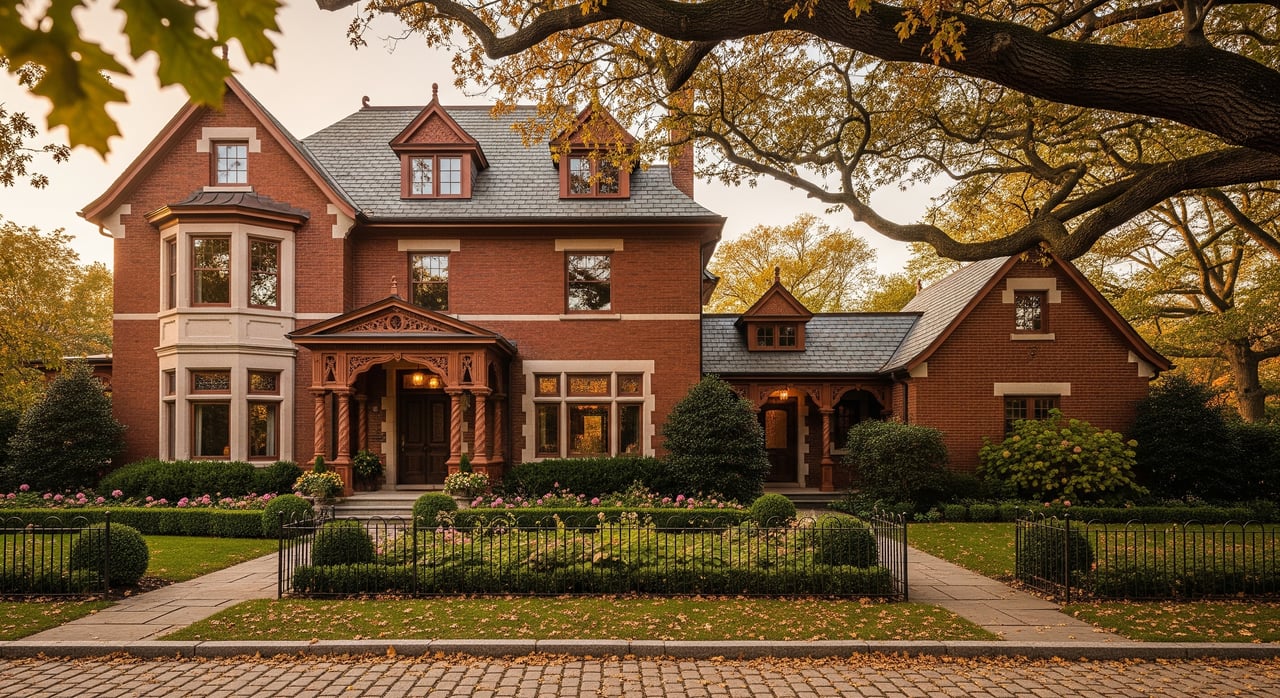
In the core of Old Oakville, you will find late 19th and early 20th century homes with Victorian, Queen Anne, Italianate, Edwardian, and Georgian influences. Many feature wood or masonry trim, decorative porches, period-style windows, and varied rooflines. Early bungalows and Craftsman-influenced houses also appear on some streets.
Lots tend to be smaller to moderate in size compared to newer suburbs. Homes often sit closer to the street and to each other, framed by mature trees and established sidewalks. The street presence and human scale are a big part of the appeal.
Choose a heritage home if you want to walk to cafés, boutiques, galleries, and dining while living in a compact, urban-feel setting. These homes reward owners who value historical character and streetscape continuity.
Many properties are heritage-designated or sit within a heritage conservation area. Exterior changes may require municipal heritage review and permits. Interior changes are often less restricted, unless a specific designation includes interior features. Plan for careful sequencing and timelines.
Older construction can call for upgrades to electrical, insulation, plumbing, and foundations. You may need trades who are comfortable with period materials and techniques. Energy efficiency improvements are possible, but they should be sympathetic, such as reversible interventions or storm windows.
Character and proximity to downtown support strong interest. Heritage status can help preserve long-term streetscape value, while also adding cost and time for renovations. If you plan thoughtful upgrades and maintenance, you protect both function and resale appeal.
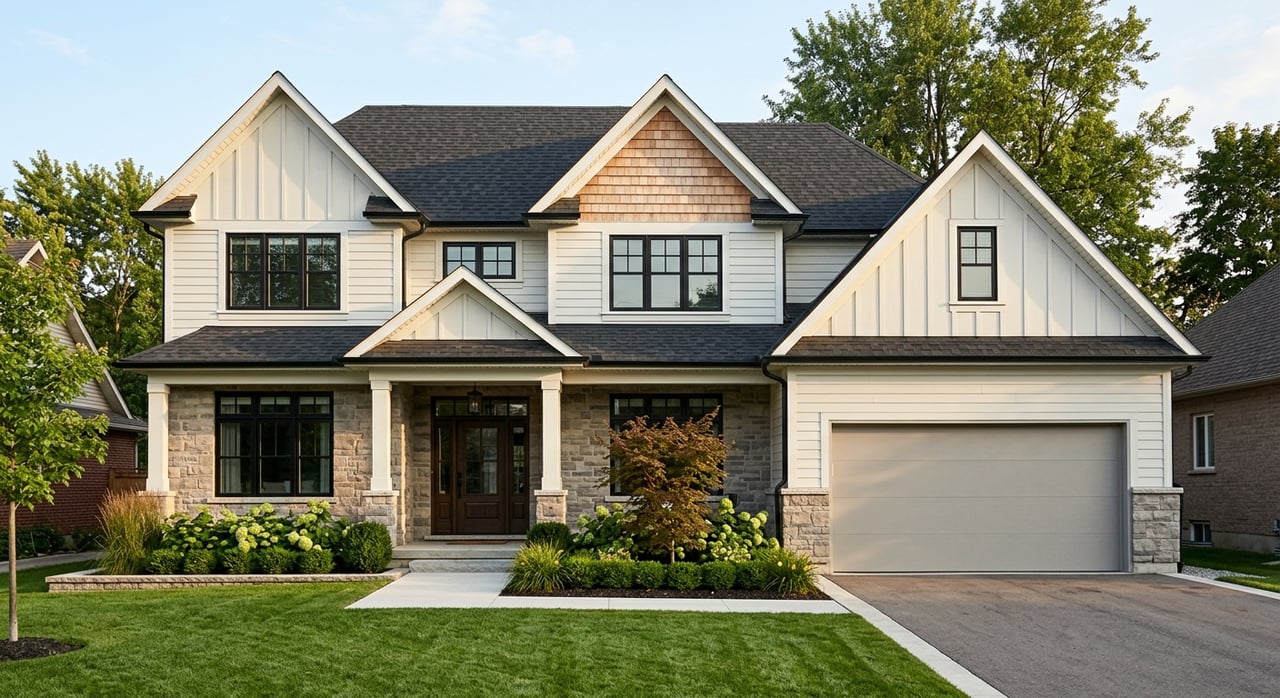
Infill usually means replacing an older house or building on a newly severed lot. In Old Oakville, this can produce larger footprints, taller massing, and either contemporary or neo-traditional designs. You will often see open-plan interiors, modern kitchens, and integrated garages.
Buyers who want the location and walkability of Old Oakville, but less immediate renovation work, often choose infill homes. If your priority is space, energy efficiency, and modern systems, infill can make sense. If you prefer a fully historic streetscape, a newer build may feel less aligned with your taste.
Depending on the lot and design, you may need municipal approvals, site plan control, or minor variances through the Committee of Adjustment. In areas with heritage fabric, expect heritage policy involvement. Good planning up front helps you avoid surprises during construction.
Quality matters. Newer homes typically offer lower short-term maintenance and contemporary comfort. Designs that respect the block’s rhythm tend to age well. Poorly scaled infill can face community pushback and less stable long-term appeal.
Lakeside properties sit along Lake Ontario, near the Oakville harbour, and next to waterfront parks. Some began as cottages and are now full-time residences. Others are purpose-built luxury homes with an orientation to views, outdoor living, and direct lake access.
Expect frequent walks on the Waterfront Trail, time in parks, and easy proximity to boating and kayaking. For many, the sense of place tied to the lake is the defining feature. Some owners use these properties seasonally while others live here full time.
Waterfront living comes with extra layers of oversight. Shoreline conservation, erosion control, and floodplain mapping guide what you can build or alter. Specific shoreline work often requires permits from the town and relevant conservation authorities. Insurance can be more complex or costly, so budget accordingly.
Lake-driven weather can increase wear on materials. Think wood rot, salt exposure, and storm-related impacts. Shoreline stabilization and plans for changing lake levels are part of responsible ownership. Good long-term planning protects both your property and its value.
Waterfront homes command premiums for access and views. Those premiums are usually durable, though they sit alongside higher carrying costs and constraints on alterations. Buyers who appreciate the full waterfront lifestyle often consider these trade-offs worthwhile.
Old Oakville’s downtown district delivers a compact mix of shops, cafés, and restaurants. You can run errands on foot, meet friends for coffee, and enjoy small-scale cultural events. The area is built for a pedestrian-oriented routine.
Waterfront parks, public green spaces, and the Waterfront Trail shape daily life. Recreational boating, cycling, and seasonal events are part of the rhythm. It is easy to build a routine that prioritizes fresh air and outdoor time.
Regional rail service on the Lakeshore West line supports commuting to Toronto and other west-GTA destinations. Local bus connections and road access to the QEW and nearby highways offer flexibility. If you plan to commute, check current schedules and typical travel times for your daily routine.
Oakville includes a mix of public, Catholic, and private schools. Families often review school catchment boundaries when choosing a home, and consider access to parks, community programs, and childcare. Use official sources for the most current catchment information.
Festivals, farmers’ markets, and performing arts in and near the downtown core add to the social calendar. The scale is human and approachable, which makes it easy to participate.
If you value walkability, lake access, and a distinct sense of place, Old Oakville offers a rare combination of lifestyle and long-term appeal. The right choice depends on how you balance character, maintenance, modern amenities, and regulatory steps. A clear plan for inspections, approvals, and costs helps you buy with confidence.
Ready to take the next step or benchmark your home’s value? Reach out to Paul Breakey for valuation-led guidance and a practical plan tailored to your goals.
Stay up to date on the latest real estate trends.
With a background in finance and business operations, Paul brings a strategic approach to real estate, helping clients make informed decisions. His passion for community and commitment to client-focused service make him a trusted partner in achieving your real estate goals.
PAUL BREAKEY CPA, CA

OAKVILLE ON L6M 2W2
OAKVILLE ON L6J 1J3